

 English
  русский
 Español
 Português
 عربى
عربى
When you invest in a cast-iron Dutch Oven, a wealth of cooking possibilities opens up. However, navigating the advice and warnings about what you should and shouldn't do with this piece of cookware can be confusing.
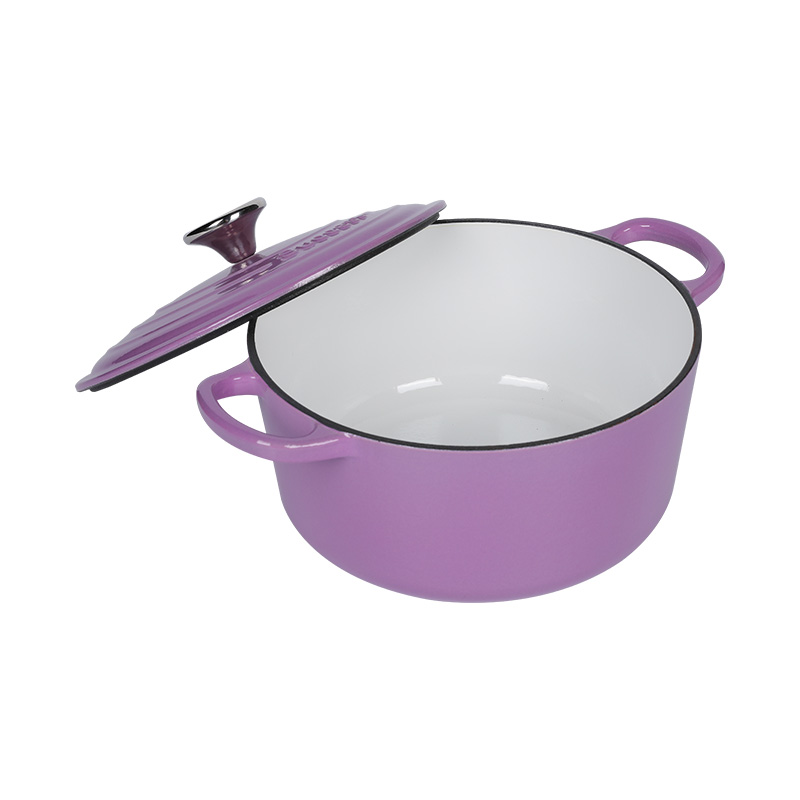
Dispelling Common "Never Do This" Myths
Several persistent myths can limit how home cooks use their Dutch ovens. Let's address them directly.
A widespread belief is that you should never cook acidic dishes, such as tomato sauce or wine-based stews, in a cast-iron Dutch Oven. The concern is that the acid will interact with the metal. For pots with an enameled interior, this is not a significant issue. The glass-like enamel coating is designed to be inert and prevents the food from reacting with the iron beneath it. While prolonged storage of acidic food in the pot is not advised, cooking these dishes is perfectly acceptable and will not damage a well-maintained enamel surface.
Another common hesitation is using a cast-iron Dutch Oven for tasks like searing meat or stir-frying. Some worry the intense heat might be harmful. In reality, these pots are exceptionally capable of handling high heat and are excellent for browning. The key is proper preheating over a moderate heat setting to allow the thick walls to evenly distribute warmth, preventing hot spots that could cause food to stick or the enamel to experience thermal shock.
There's also a debate about cleaning. While some manufacturers may note that their enameled pots are dishwasher-safe, consistent machine washing is generally not recommended. Over time, the harsh detergents and jostling with other items can dull the enamel's finish and increase the risk of chipping on the edges. Hand washing is a more considerate approach to preserving the pot's appearance and integrity over many years.
Understanding the Actual Considerations
While the myths above can be set aside, there are genuine practices that help protect your cookware.
Avoiding sudden, extreme temperature changes is important. Placing a hot cast-iron Dutch Oven directly into a sink of cold water or adding a large quantity of cold liquid to a scalding-hot pot can cause the enamel to crack due to thermal stress. It is better to let the pot cool gradually or to add warm liquids to hot pots.
The choice of utensils matters. Using metal spatulas or spoons with sharp edges can scratch the enamel surface. These scratches may become more noticeable over time and can harbor stains. Wooden, silicone, or nylon utensils are gentler choices that help maintain the smooth interior.
Finally, while these pots are sturdy, they are not indestructible. Dropping them on a hard floor can chip or crack the enamel. Handling with reasonable care, especially when the pot is full and heavy, will prevent accidental damage.
Exploring Overlooked Cooking Techniques
Moving beyond the myths reveals the true versatility of a cast-iron Dutch Oven. Its ability to go from a stovetop to an oven makes it ideal for recipes that start with browning and finish with slow, covered braising. The heavy lid creates a tight seal, trapping moisture and flavor, which is why it is so effective for creating tender stews and pot roasts.
It has also become a favored tool for baking artisanal, crusty bread. The pot’s ability to retain and distribute heat evenly mimics a professional steam-injected oven, creating the perfect environment for a loaf to rise and develop a crisp crust. For everyday cooking, it can be used to prepare rice, soups, and even for deep-frying, thanks to its consistent heat retention.
The journey with a cast-iron Dutch Oven is one of learning its characteristics. Understanding that it heats slowly but holds heat steadily will improve your results. By focusing on how it performs—preheating adequately, using moderate heat, and choosing appropriate utensils—you can cook a very wide variety of foods successfully. Let go of the restrictive rules and experiment. You may find that it becomes the most used pot in your kitchen, capable of handling far more than you initially thought.