

 English
  русский
 Español
 Português
 عربى
عربى
The Cast Iron Frying Pan With Lid has become a frequent topic among home cooks seeking cookware that balances traditional craftsmanship with modern kitchen expectations. Within the broader category of Cast Iron Kitchenware, concerns about sticking and rust are often raised. However, when used and maintained correctly, this cookware type can provide reliable performance while avoiding these common issues.
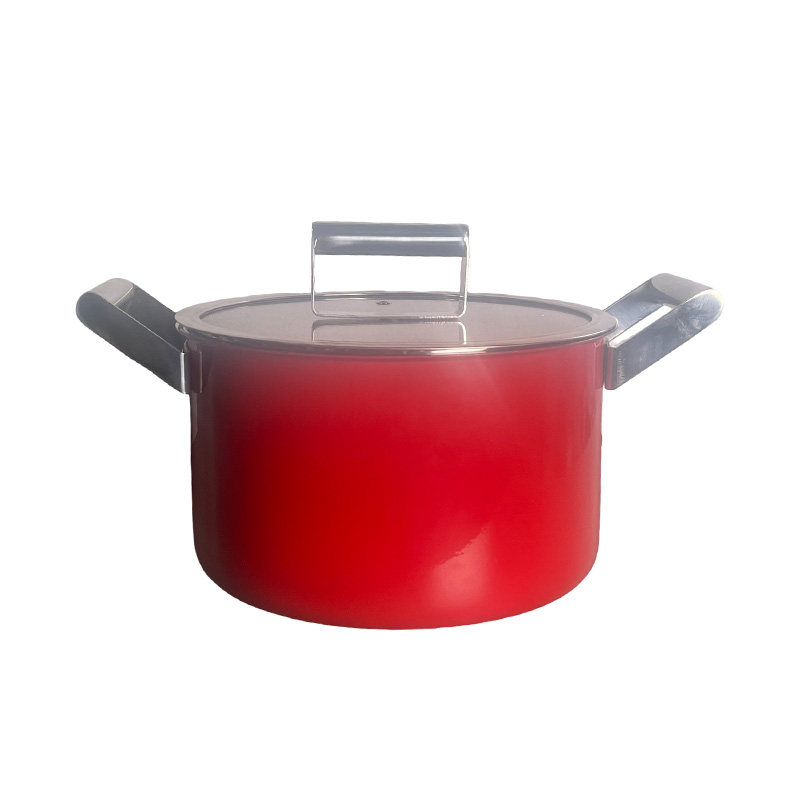
Understanding the Natural Cooking Surface
Unlike synthetic non-stick coatings, cast iron develops its cooking surface gradually. Through a process known as seasoning, oil bonds to the iron under high heat, forming a protective layer. This layer improves release performance and shields the metal from moisture exposure.
A well-seasoned cast-iron frying pan with a lid does not rely on artificial coatings. Instead, its surface improves over time with consistent use. Cooking foods with moderate oil content can help maintain this protective layer naturally.
This evolving surface is one reason Cast Iron Kitchenware continues to attract cooks who prefer traditional materials.
The Role of Proper Preheating
Sticking often occurs when food is placed into a pan that has not reached sufficient temperature. Cast iron requires a gradual preheating process to allow the entire surface to warm evenly. Once heated, it holds temperature effectively, reducing sudden drops that can cause food to cling.
Using appropriate cooking oil and allowing ingredients to sear undisturbed before turning them can further reduce sticking. With practice, many cooks find that their Cast Iron Frying Pan With Lid delivers dependable browning without excessive residue.
How the Lid Supports Cooking Performance
The lid is not merely an accessory. It plays a meaningful role in moisture management. By covering the pan during cooking, steam circulates within the enclosed space, helping maintain internal humidity. This reduces dryness and supports tender results in braised dishes.
For recipes that require controlled simmering, the lid helps regulate evaporation. This prevents sauces from thickening too quickly and keeps ingredients from drying out. As a result, the pan becomes suitable for both dry-heat frying and moist-heat cooking techniques.
Preventing Rust Through Simple Habits
Rust is a natural reaction between iron and moisture. Fortunately, it can be avoided with straightforward maintenance practices. After washing, the pan should be dried thoroughly. Placing it briefly over low heat ensures that residual moisture evaporates.
Applying a thin layer of cooking oil before storage helps maintain the seasoning layer. Storing the pan in a dry location also reduces exposure to humidity.
These simple routines make Cast Iron Kitchenware manageable for daily use. With consistent care, the surface remains protected and functional.
Addressing Common Misconceptions
Some consumers hesitate to purchase a cast-iron frying pan with a lid because they believe maintenance is complicated. In reality, the required steps are straightforward and quickly become part of regular kitchen habits.
Another misconception is that rust indicates permanent damage. In many cases, light surface rust can be removed with gentle scrubbing followed by re-seasoning. This restorative quality adds to the long-term appeal of cast iron.
The growing conversation around sticking and rust highlights the importance of understanding how cast iron functions. When preheated correctly and maintained with simple care routines, a Cast Iron Frying Pan With Lid performs reliably across many cooking tasks. As part of Cast Iron Kitchenware, it offers durability and a natural cooking surface that evolves, supporting consistent and satisfying culinary results.