

 English
  русский
 Español
 Português
 عربى
عربى
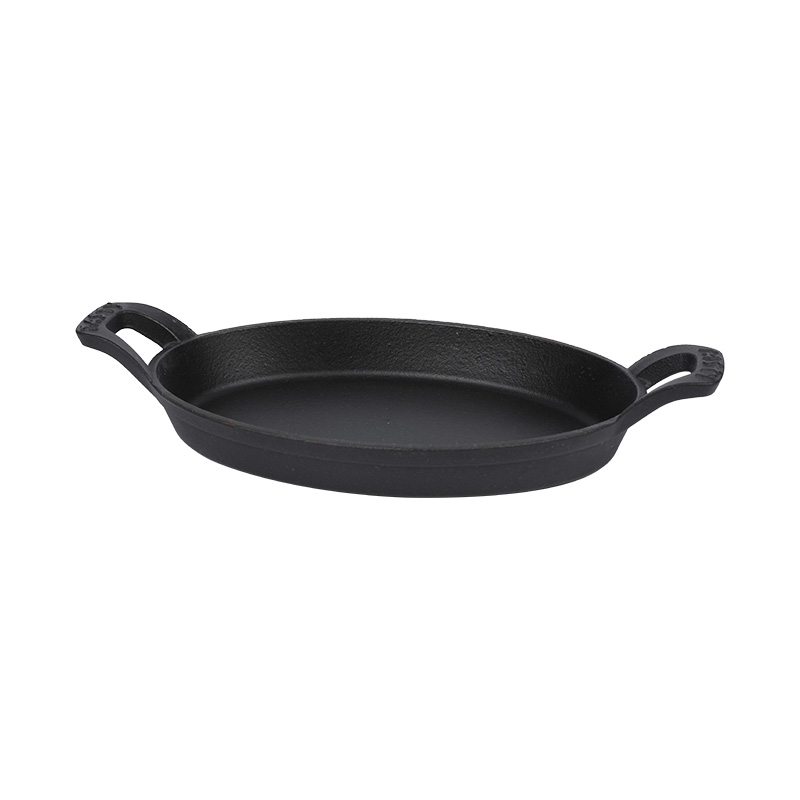
Cast Iron Griddle For Stove Top is a versatile cooking tool that many home cooks rely on for a wide range of dishes. One of the most common questions when choosing a griddle is whether it is compatible with different types of stoves, including gas, electric, and glass-top ranges. Understanding the interaction between your stove type and the griddle can help ensure consistent cooking results and protect your equipment.
Gas Stoves: A Natural Pairing
Gas stoves provide direct flame heat, which works well with cast-iron griddles. The material distributes heat evenly across the cooking surface, allowing food to cook consistently. It is important to consider the griddle's size relative to the burner. Using a griddle that spans multiple burners can provide a larger cooking surface, but it may require attention to flame adjustment to avoid hotspots. Placement should be stable, and the griddle should not extend too far beyond the stove edge.
When using a gas stove, attention should be paid to the griddle's base design. Some griddles feature support structures that aid in maintaining stability on the burner grates, reducing the chance of wobbling. During cooking, flame distribution might not be perfectly uniform, but the heat-diffusing properties of cast iron can help compensate to some extent. Periodically rotating the griddle's position can contribute to more consistent heating of the food.
Electric Stove Considerations
Electric stovetops heat more slowly than gas but maintain a steady temperature once hot. A cast-iron griddle works effectively on an electric stove if it has a flat base that makes full contact with the heating element. Preheating is recommended to ensure the griddle reaches an even temperature across its surface. Users may notice that food takes slightly longer to cook than on gas, but the even heat distribution is beneficial for searing or frying.
Glass-Top and Ceramic Stove Use
Glass-top and ceramic stoves can be sensitive to weight and movement. A cast-iron griddle can be used safely, but care must be taken to avoid scratching or cracking the surface. It is advisable to lift the griddle when repositioning it rather than sliding it. Choosing a griddle with a smooth, flat bottom ensures better contact with the stove surface and reduces the risk of uneven cooking.
Tips for Safe and Effective Use
Certain fundamental principles apply regardless of the stovetop type. Always ensure the griddle is dry and clean before beginning to heat it, as this promotes even heat distribution. Adjust preheating times according to the stove's characteristics—gas may require less time, while electric coils often need more. During cooking, appropriate temperature adjustments often yield better results than sustained high heat.
For cleaning, wait until the griddle has cooled completely to a safe handling temperature. The type of stove may influence cleaning frequency and methods, but gentle cleansers and soft tools are safe choices for all pairings. Thoroughly drying the griddle and applying a thin layer of oil after each use helps maintain the cast iron's good condition over the long term.
Using a cast-iron griddle on various stove types can expand your cooking possibilities while delivering consistent results. By understanding the nuances of each stove type and taking appropriate precautions, the griddle becomes a flexible and reliable tool for home kitchens.