

 English
  русский
 Español
 Português
 عربى
عربى
Many home kitchens now combine traditional cookware with modern induction appliances. Cast iron cookware remains popular because it retains heat well and supports different cooking styles, from frying to slow cooking. When using a Cast Iron Pan On Induction Cooktop, many people ask whether a warped or small pan can still perform properly without causing cooking problems or affecting the cooktop surface.
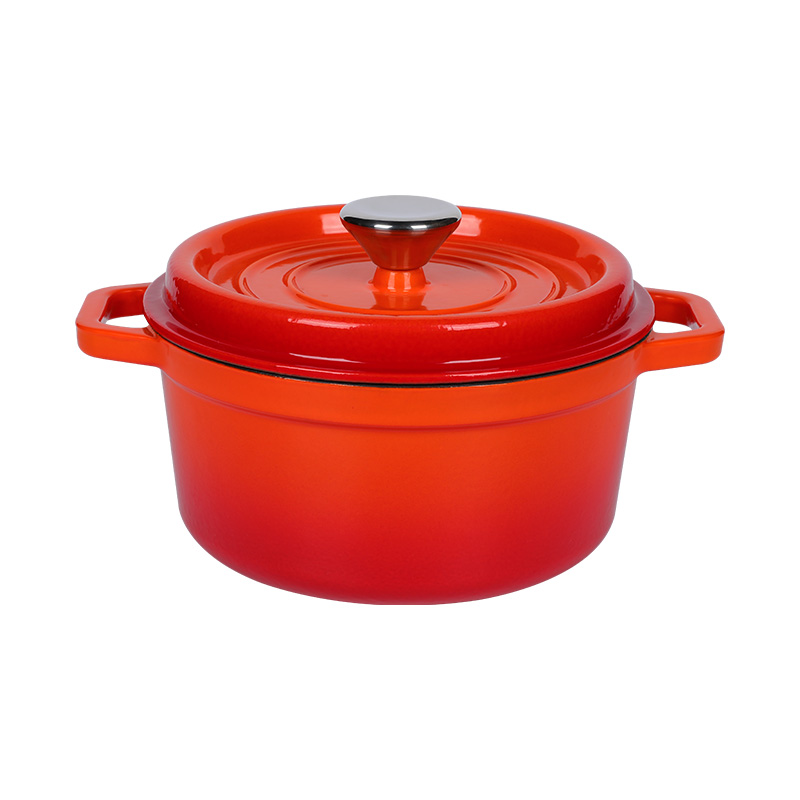
Why Cast Iron Works on Induction Cooktops
Induction cooktops use magnetic energy to heat cookware directly. Since cast iron contains magnetic material, it is generally compatible with induction cooking systems.
However, compatibility involves more than material alone. The bottom shape, pan size, and cookware condition all influence how efficiently the induction cooktop transfers heat.
Unlike gas stoves that spread flame around the cookware, induction cooking relies heavily on flat contact between the cookware base and the glass surface. If the pan bottom becomes uneven, heating performance may change noticeably.
What Causes Cast Iron Pans to Warp?
Warping happens when the cookware base loses its flat shape. This may occur after sudden temperature changes, repeated overheating, or long-term daily use.
For example, placing a very hot cast-iron pan under cold water can place stress on the metal structure. Over time, the bottom surface may become slightly uneven.
Heavy cookware may also shift shape gradually after years of cooking on high heat settings.
How a Warped Pan Affects Induction Cooking
A warped cast-iron pan may still heat on an induction cooktop, but several problems can appear during cooking.
- Uneven Heat Distribution: If only part of the cookware touches the induction surface, heat may concentrate in certain areas. Food can brown faster in the center while the outer sections remain cooler.
- Reduced Burner Detection: Many induction cooktops automatically detect cookware before heating begins. If the contact area becomes too limited, the cooktop may stop heating or switch off unexpectedly.
- Cooking Instability: Warped cookware may rock slightly during cooking. This movement can become inconvenient when stirring sauces, cooking eggs, or handling heavier meals.
Surface Protection Concerns
An uneven pan bottom may increase friction against the glass surface, especially if the cookware is dragged across the cooktop instead of lifted.
Can Small Cast Iron Pans Work Properly?
Smaller cast-iron pans can work on induction cooktops, but burner size compatibility is important.
If the cookware base is much smaller than the heating zone, the induction system may struggle to detect it correctly. Some cooktops are more sensitive to cookware size than others.
Small pans also heat quickly because cast iron stores heat efficiently. Using very high heat settings may cause food to burn faster than expected.
For smaller cookware, gradual heating and moderate temperature settings are usually more practical.
How to Check Whether Your Pan Is Suitable
Before using older or uneven cookware on an induction surface, several simple checks can help.
- Test the Pan on a Flat Surface: Place the cookware on a table or countertop. If the pan rocks noticeably, the base may no longer sit evenly.
- Inspect the Bottom Carefully: Check for dents, raised areas, or rough sections that could affect contact with the cooktop.
- Match the Pan with the Burner: Using cookware close in size to the induction zone generally supports more stable heating performance.
Tips for Better Daily Cooking
- Heat the Pan Gradually: Slow preheating helps reduce additional stress on the cookware and supports more even cooking results.
- Avoid Dragging the Cookware: Lifting the pan instead of sliding it can help reduce scratches on glass cooktop surfaces.
- Use Medium Heat Settings: Cast iron retains heat for long periods, so moderate heat is often enough for regular cooking tasks.
- Rotate Food During Cooking: If the pan has slight unevenness, moving food occasionally can help improve cooking consistency.
When Replacement May Be Necessary
A mildly warped pan may still work for some cooking tasks. However, cookware with severe unevenness can create repeated heating problems and unstable cooking conditions.
Visible cracks, major rocking, or failure to heat consistently are signs that replacing the cookware may become necessary.
Using a Cast Iron Pan On Induction Cooktop can still provide reliable cooking performance when the cookware is maintained properly. Flat-bottom cookware, controlled heating, and careful handling all help support smoother daily cooking while protecting both the cookware and the induction surface over time.