

 English
  русский
 Español
 Português
 عربى
عربى
Induction cooking has become increasingly common in modern kitchens because of its fast heating response and clean cooking surface. At the same time, cast iron cookware continues to remain popular for frying, searing, and slow cooking. When using a Cast Iron Pan On Induction Cooktop, many people begin to notice changes in performance if the pan becomes warped over time. Questions about safety, heating efficiency, and cookware stability are therefore quite common.
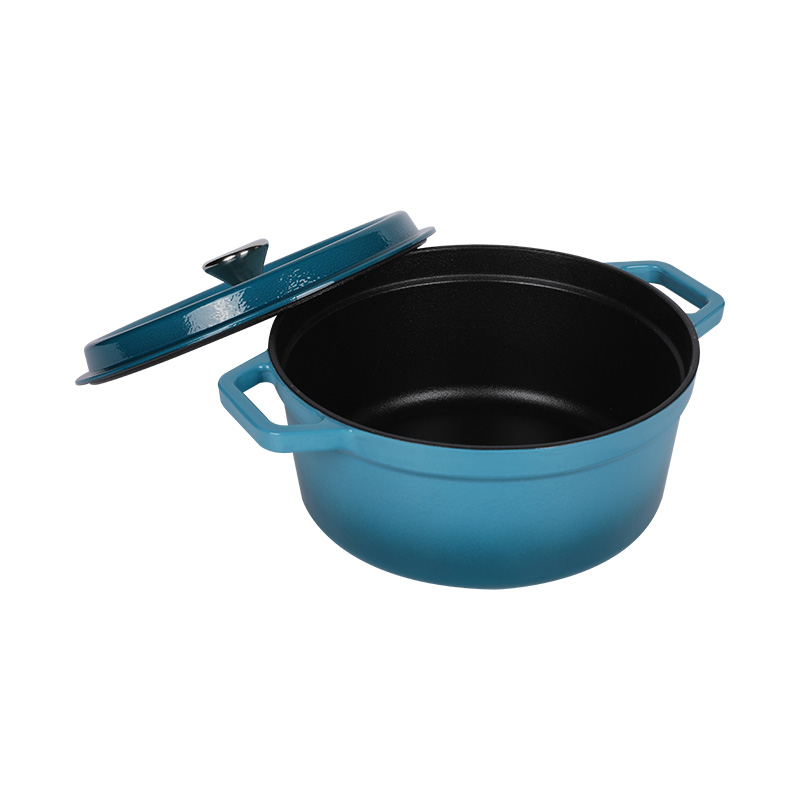
Why Cast Iron Usually Works on Induction
Induction cooktops create heat through magnetic energy. Since cast iron contains magnetic material, it is generally compatible with induction cooking surfaces.
Unlike traditional gas burners, induction systems rely on direct contact between the cookware and the glass surface. The flatter the cookware bottom, the more evenly heat can transfer into the pan.
This is why the condition of the cookware base becomes important during daily cooking.
What Causes a Cast Iron Pan to Warp?
Warping happens when the bottom of the cookware changes shape and no longer remains completely flat. Several factors may contribute to this problem over time.
Sudden Temperature Changes
Moving a hot cast-iron pan directly into cold water can place stress on the metal structure. Repeated thermal shock may gradually alter the shape of the pan base.
Repeated High-Heat Cooking
Cooking on very high heat for long periods may create uneven expansion in the cookware material, especially if heating occurs too quickly.
Long-Term Daily Use
Older cookware naturally experiences wear after years of regular cooking, heating, and cooling cycles.
How Warping Affects Induction Cooking
A slightly warped cast-iron pan may still function on an induction cooktop, but the cooking experience may become less stable.
Uneven Heating Performance
When the cookware no longer sits flat, only certain areas make direct contact with the induction surface. Heat may concentrate in the center while outer sections remain cooler.
This can affect foods that require even cooking temperatures, such as pancakes, eggs, or grilled sandwiches.
Burner Detection Problems
Some induction cooktops automatically detect cookware before activating. If the contact area becomes too limited, the cooktop may fail to recognize the pan correctly.
Users may notice the burner switching on and off unexpectedly.
Cooking Stability Issues
Warped cookware may rock slightly during cooking. This movement can make stirring ingredients or flipping food more difficult.
Increased Surface Friction
If the cookware slides across the cooktop unevenly, the rough bottom surface may create scratches on the glass panel.
How to Tell If Your Pan Is Warped
Several signs may indicate that the cookware bottom is no longer flat.
The Pan Rocks on Flat Surfaces
Place the cookware on a countertop and gently press opposite sides. If the pan moves noticeably, warping may be present.
Hot Spots During Cooking
Food browns unevenly or burns in specific areas while other sections cook slowly.
Induction Heating Interruptions
The burner occasionally stops heating or struggles to detect the cookware consistently.
Can You Continue Using a Warped Pan?
In many cases, a slightly warped pan can still be used for regular cooking tasks. However, the results may not remain as consistent as with flat cookware.
Users often find that medium heat settings and slower preheating help reduce some heating issues. Cooking performance may remain acceptable for sautéing vegetables, frying bacon, or warming prepared meals.
Severely warped cookware, however, may become less practical for induction cooking. Strong rocking movement or repeated heating interruptions can affect both convenience and cooking quality.
Tips for Safer Daily Use
Heat the Pan Gradually
Slow preheating supports more even heat distribution and may reduce additional stress on the cookware.
Avoid Dragging the Pan
Lifting the cookware instead of sliding it can help protect the glass cooktop surface.
Use the Correct Burner Size
Matching the cookware base to the induction zone helps improve heating consistency.
Monitor Cooking Closely
Warped cookware may create hot spots, so occasional food rotation can support more even cooking results.
When Replacement Becomes Necessary
If the cookware develops visible cracks, severe instability, or repeated heating failures, replacement may become a more practical solution.
A flat-bottom cast-iron pan generally provides smoother contact with induction surfaces and supports more stable cooking performance over time.
Using a Cast Iron Pan On Induction Cooktop can still produce satisfying results when the cookware is handled carefully. Understanding how warping affects induction heating allows users to adjust their cooking habits, protect the cooktop surface, and maintain more reliable daily cooking performance.