

 English
  русский
 Español
 Português
 عربى
عربى
The Cast Iron Dutch Oven comes in two primary styles: one with a smooth, colored enamel coating and another with a classic, uncoated seasoned iron surface. Each type has distinct characteristics that appeal to different cooks and suit various kitchen routines. Understanding these differences is helpful when deciding which version aligns with your cooking preferences and maintenance style.
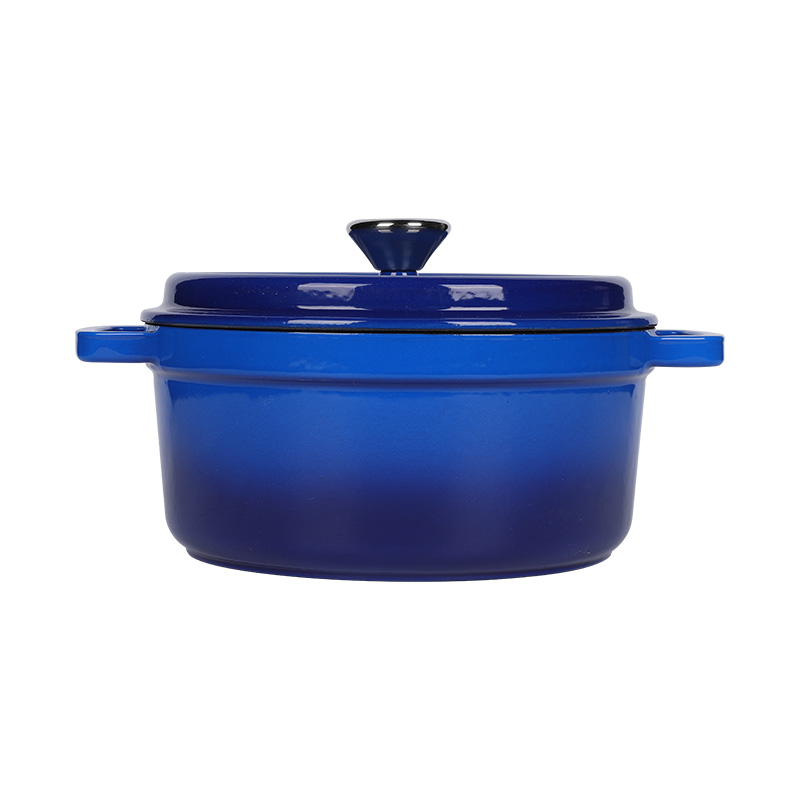
The Enameled Cast Iron Dutch Oven
Enameled pots feature a durable glass coating that is fused to the iron at a high temperature. This design offers several notable attributes.
A primary advantage is their readiness for use. There is no need for a process to create a non-stick surface before the first cook. The enamel provides a barrier that is resistant to rust and does not interact with ingredients, making these pots suitable for cooking acidic foods like tomato-based sauces or wine-braised dishes without affecting the flavor or damaging the pot.
The enamel interior is also smooth, which many find easier to clean initially, as food does not bond to a porous surface. They are available in a range of colors, allowing them to complement kitchen decor and transition directly from the oven to the dining table for serving.
However, the enamel surface requires a degree of mindful handling. It can be scratched by metal utensils, and sharp impacts against a hard surface may chip or crack the glass coating. While the enamel is designed to be long-lasting, such damage can be difficult to repair.
The Traditional Uncoated Cast Iron Dutch Oven
Traditional pots are made of bare cast iron that requires an initial and ongoing process called seasoning. This involves baking a thin layer of oil onto the hot metal, which polymerizes to form a natural, non-stick, and rust-resistant coating.
These pots are known for their exceptional heat retention and ability to develop a very effective non-stick surface over time with proper care. They are often considered incredibly durable, able to withstand very high temperatures and the use of metal utensils without concern for scratching a coating. Many appreciate the ritual of seasoning and the patina that develops with use, which can enhance cooking performance.
The maintenance routine is more involved. The seasoning must be protected, meaning the pot should not be used for prolonged cooking of acidic foods, as this can break down the oil layer and impart a metallic taste to the food. After washing, it must be dried completely and sometimes re-oiled to prevent rust. They also tend to have a simpler, more utilitarian appearance.
Making a Choice That Fits Your Kitchen
The decision often comes down to your desired balance between convenience and tradition, as well as the type of cooking you do most.
An enameled cast-iron Dutch Oven might be a suitable choice if you prefer a pot that is ready to use with minimal setup, offers easy cleaning for everyday meals, and you frequently cook dishes with acidic ingredients. It suits a cook who appreciates versatility and wants to avoid a dedicated seasoning routine.
A traditional uncoated pot could appeal to you if you enjoy the hands-on process of building and maintaining a seasoning, often cook at high temperatures for searing or frying, and value a time-tested, straightforward piece of cookware. It is a good fit for those who do not mind a specific maintenance ritual.
Both types are capable of producing excellent meals and will last for many years when cared for according to their needs. Your cooking habits, from the recipes you love to the time you wish to spend on upkeep, will guide you toward the right version. Some enthusiasts even find value in owning both, using each for the tasks they perform best, embracing the full spectrum of what cast iron cooking has to offer.