

 English
  русский
 Español
 Português
 عربى
عربى
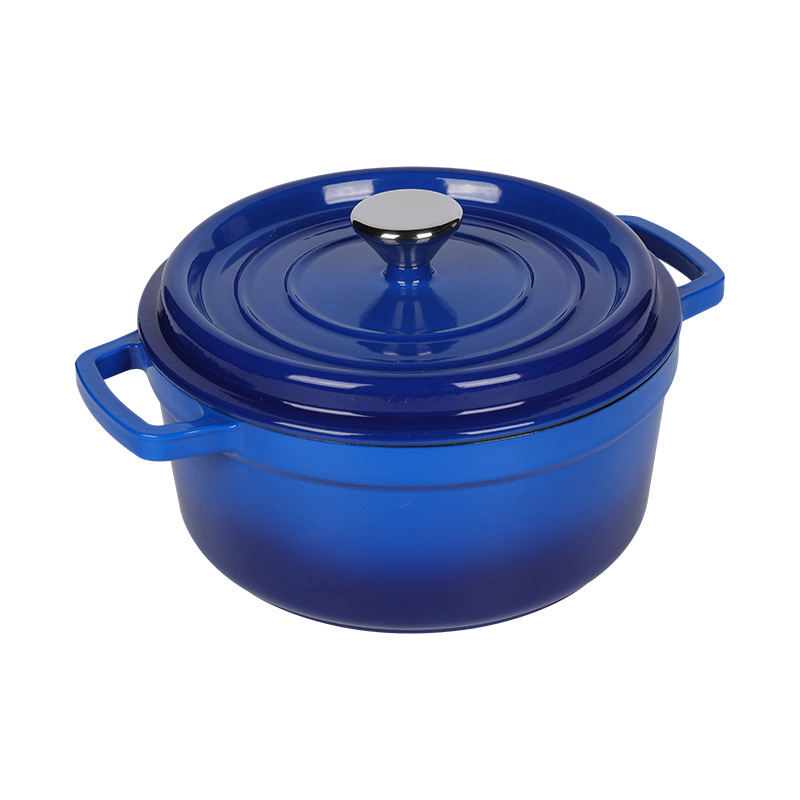
A cast-iron Dutch Oven is celebrated for its durability and performance. To ensure it remains a reliable part of your kitchen for years, understanding how to use and care for it is essential. Proper habits, from the first use to daily cleaning, protect your investment and make cooking more enjoyable. This article covers practical steps and addresses common concerns to help you maintain your pot in good condition.
Getting Started: Initial Setup and Preheating
When your new Cast Iron Dutch Oven arrives, the first step is simple. For enameled models, wash the interior and exterior with warm, soapy water, then rinse and dry them thoroughly. This removes any residual dust from manufacturing and storage. It is now ready to use.
A fundamental practice for successful cooking is preheating. Place your empty pot on the stovetop over a low or medium setting for several minutes. Cast iron heats slowly, and allowing it to warm gradually ensures an even distribution of heat across the cooking surface. This step is helpful for preventing food from sticking, especially when you begin by browning meats or sautéing vegetables.
Best Practices During Cooking
To further prevent sticking when searing or frying, ensure both the pot and your cooking oil are adequately heated before adding food. A helpful method is to add a small amount of oil to the preheated pot and allow it to shimmer before adding your ingredients.
These pots are efficient at retaining heat, so once your dish reaches a simmer or boil, reducing the heat source can often maintain the temperature. Cooking over a moderate flame is usually sufficient and can prevent the bottom from getting too hot.
Using utensils made from wood, silicone, or nylon is advised. These materials are less likely to scratch the interior surface of an enameled pot compared to metal utensils, helping to preserve its smooth finish.
Cleaning and Drying: The Key to Longevity
Proper cleaning after use is straightforward but important. Allow the pot to cool slightly before cleaning. If food is stuck, filling the pot with warm water and letting it soak for a short time can loosen residues. Use a soft sponge or brush with mild dish soap. Abrasive scouring pads or harsh cleansers can dull or damage the enamel gloss over time.
After washing, drying the pot completely is a critical step. Use a towel to dry the exterior and interior, paying special attention to the rim where the lid sits and any other unenameled cast iron parts. Any moisture left on bare iron can lead to rust. For added assurance, some people let the pot air-dry on the stovetop over low heat for a minute.
Storing the pot with the lid slightly ajar or placing a paper towel between the pot and the lid allows for air circulation, preventing musty odors from forming in a sealed, damp space.
Addressing Common Issues
Even with care, you might encounter some typical situations. Light staining on a light-colored enamel interior from foods like tomatoes or turmeric is normal and does not affect function. For noticeable stains, a paste of baking soda and water can be applied, left to sit, then gently scrubbed and rinsed.
If minerals from hard water create a cloudy film on the exterior, a wipe with a mild vinegar solution can help restore shine.
Should you find small rust spots on the unenameled rim—which can happen if it was not dried thoroughly—you can gently scrub the spot with a vinegar-soaked towel or a paste of baking soda. Once the rust is gone, rinse, dry the area meticulously, and apply a very thin layer of cooking oil to the spot to protect it.
Consistent, gentle care is the philosophy for a cast-iron Dutch Oven. Avoiding thermal shock, using soft tools, cleaning with non-abrasive methods, and ensuring it is completely dry before storing are simple habits. By integrating these practices, your pot will not only perform well but also maintain its appearance, ready to help you prepare countless meals.