

 English
  русский
 Español
 Português
 عربى
عربى
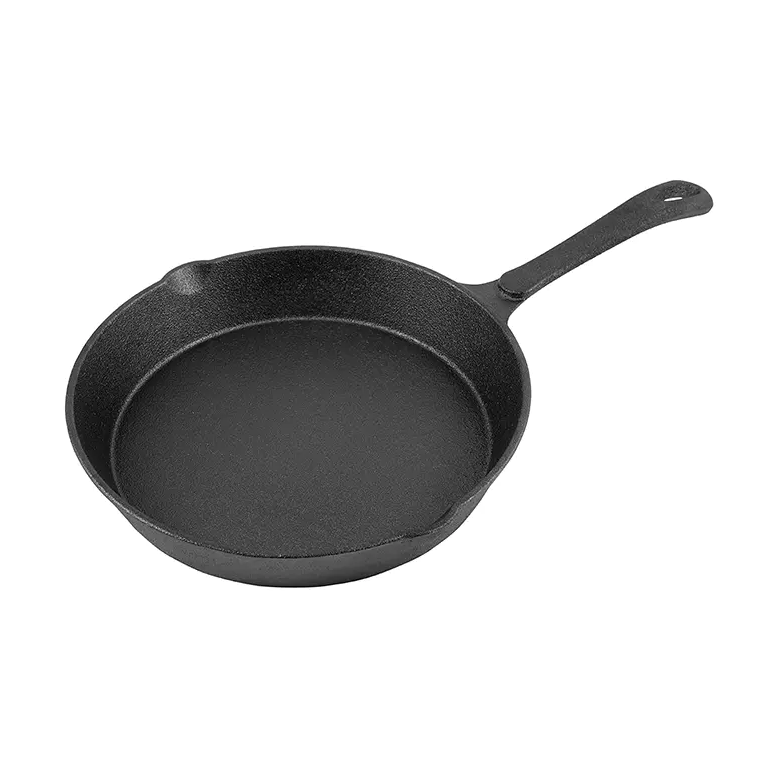
Cooking methods that involve steady heat and long preparation time often rely on cookware that can maintain temperature stability. Cast Iron Frying Pan and Cast Iron Dutch Oven are frequently discussed together because they represent two complementary tools in cast iron cookware. Cast Iron Dutch Oven is widely used for baking and slow cooking due to its enclosed structure, while Cast Iron Frying Pan is more commonly used for surface cooking and finishing steps. These differences create distinct roles in kitchen workflows, especially when preparing bread and slow-cooked meals.
Baking Environment Inside a Dutch Oven
A Cast Iron Dutch Oven creates an enclosed cooking space that helps regulate heat and moisture during baking. This environment supports dough expansion and crust formation by maintaining steady internal temperature. The lid plays an important role in trapping steam, which affects the texture of baked bread.
The Cast Iron Frying Pan, while not designed for enclosed baking, can still be used for finishing or pre-cooking certain ingredients before they are transferred into baking processes. Both tools contribute to different stages of cooking preparation.
Bread Baking Process Overview
When preparing bread in a Cast Iron Dutch Oven, dough is typically placed into the preheated pot. The enclosed structure helps maintain consistent heat around the dough, supporting even cooking. Steam created during the baking process contributes to crust development and internal texture formation.
Preheating is an important step because it ensures that the cookware reaches a stable temperature before dough is introduced. This helps support consistent baking results. The Cast Iron Frying Pan may be used alongside bread preparation for handling toppings, fillings, or pre-cooked ingredients that accompany baked dishes.
Slow Cooking Applications
A Cast Iron Dutch Oven is also widely used for slow cooking recipes such as stews, braised meat dishes, and vegetable-based meals. Its deep structure allows liquids to circulate while maintaining steady heat over extended cooking periods. This supports gradual flavor development and texture softening.
The Cast Iron Frying Pan is often used before slow cooking begins, particularly for browning meat or vegetables. This step helps develop surface flavor before ingredients are transferred into the Dutch oven for longer cooking cycles.
Heat Retention and Cooking Stability
Both Cast Iron Dutch Oven and Cast Iron Frying Pan rely on strong heat retention. Once heated, they maintain temperature for extended periods compared with thinner cookware materials. This property affects how recipes are timed and managed during cooking.
In slow cooking, the Dutch oven maintains a consistent internal environment, while the frying pan provides controlled surface heating for initial preparation steps. Together, they support different phases of the same cooking process.
Bread Texture and Moisture Control
Bread baked in a Cast Iron Dutch Oven benefits from controlled moisture levels. The enclosed lid helps retain steam, which influences crust formation and internal softness. As baking progresses, moisture gradually escapes, allowing the crust to develop structure.
The Cast Iron Frying Pan does not provide the same enclosed environment, but it can assist in preparing ingredients that contribute to bread-based meals, such as sautéed vegetables or cooked toppings.
Stew and Braised Dish Preparation
Slow-cooked dishes prepared in a Cast Iron Dutch Oven often involve layering ingredients and allowing them to cook over time. The steady heat helps break down tougher textures and blend flavors gradually. This cooking method is suitable for dishes that require extended heating without frequent adjustments.
The Cast Iron Frying Pan supports the initial stage of these recipes by providing a surface for browning and flavor development before ingredients are combined in the Dutch oven.
Temperature Management in Extended Cooking
Both cookware types require attention to temperature control. The Cast Iron Dutch Oven responds slowly to heat changes, which supports stable long-duration cooking. Once heated, it maintains internal conditions that reduce the need for frequent adjustments.
The Cast Iron Frying Pan also retains heat effectively, making it suitable for controlled searing and pre-cooking tasks. However, its open structure means heat interacts directly with the surface rather than being enclosed.
Practical Cooking Workflow
In many cooking routines, Cast Iron Frying Pan and Cast Iron Dutch Oven are used together. The frying pan handles initial preparation such as browning or sautéing, while the Dutch oven manages slow cooking or baking stages. This workflow allows ingredients to transition through different cooking phases using cookware designed for specific functions.
This combination supports a wide range of recipes, from baked bread to slow-cooked meals, without requiring frequent cookware changes during preparation.