

 English
  русский
 Español
 Português
 عربى
عربى
In cookware selection discussions, material differences often shape cooking outcomes and user experience. Cast Iron Frying Pan and Cast Iron Dutch Oven are frequently mentioned together because they represent two widely used cast iron formats with different kitchen roles. Cast Iron Dutch Oven is often compared with stainless steel pots and coated cookware due to its deep structure and heat retention properties, while Cast Iron Frying Pan is more commonly associated with surface cooking tasks. Understanding these differences helps clarify how various pots function in everyday kitchen use.
Structural Differences and Cooking Design
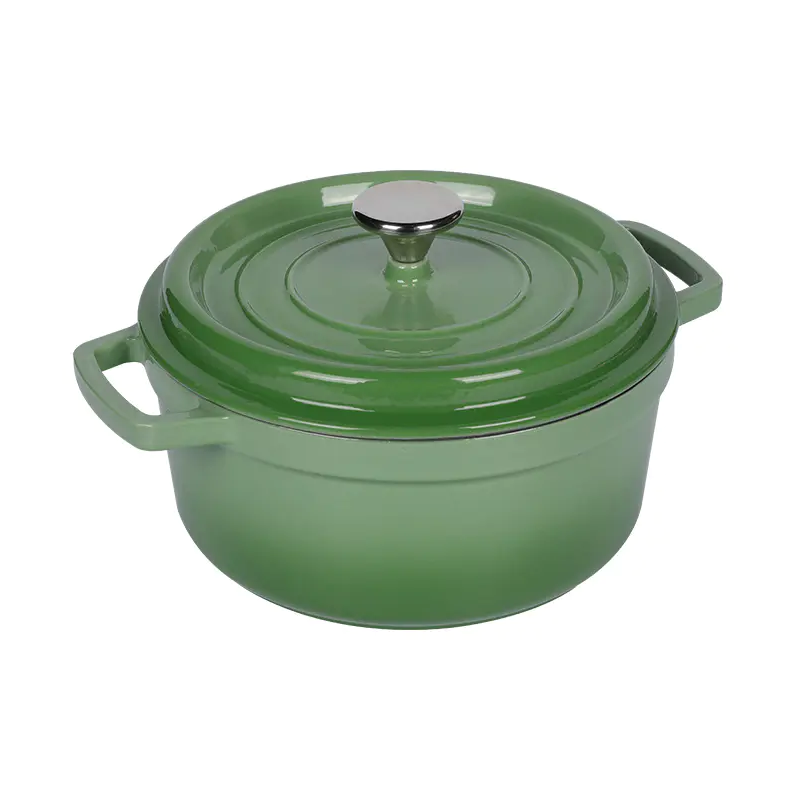
A Cast Iron Dutch Oven is designed as a deep, heavy pot with a lid that supports enclosed heat circulation. This structure allows heat to move gradually through the food, making it suitable for liquid-based and slow-cooked meals. The weight and thickness of the material contribute to stable temperature behavior during long cooking periods.
The Cast Iron Frying Pan, in contrast, features a shallow and open design. It is used more for direct surface cooking, where food is exposed to consistent heat from below. While both cookware types share similar material foundations, their shapes determine how heat interacts with ingredients.
Comparison with Stainless Steel Cookware
When compared with stainless steel pots, a Cast Iron Dutch Oven retains heat for longer periods once heated. Stainless steel cookware tends to respond more quickly to temperature changes, which can be useful for fast cooking adjustments. However, it may not maintain steady heat as consistently during long simmering processes.
The Cast Iron Frying Pan also shows stronger heat retention compared with stainless steel pans, especially during searing or browning tasks. The difference lies in how each material manages temperature stability versus responsiveness.
Comparison with Coated Cookware
Coated cookware is often chosen for its easy cleaning and food release properties. However, it may not perform well under prolonged high heat conditions. A Cast Iron Dutch Oven supports higher temperature use and longer cooking cycles, making it suitable for stews, braised dishes, and oven-based recipes.
The Cast Iron Frying Pan also operates effectively under higher heat, especially when developing surface browning. Compared with coated pans, both cast iron options require more attention to care and handling but offer broader heat tolerance.
Enamel-Coated vs Bare Cast Iron Dutch Oven
A Cast Iron Dutch Oven may come in enamel-coated or bare versions. Enamel-coated models reduce the need for seasoning and simplify cleaning, while bare cast iron versions require surface maintenance similar to a Cast Iron Frying Pan.
The Cast Iron Frying Pan generally relies on seasoning to maintain its cooking surface, regardless of how often it is used. In both cookware types, surface care influences long-term cooking behavior.
Cooking Applications and Usage Scenarios
The Cast Iron Dutch Oven is commonly used for slow cooking methods such as stews, soups, and bread preparation. Its ability to maintain steady internal heat makes it suitable for recipes that require extended cooking time. The lid helps preserve moisture, which affects texture and flavor development.
The Cast Iron Frying Pan is more suitable for tasks such as searing meat, cooking vegetables, and finishing dishes in an oven environment. Its open structure allows direct heat exposure, which supports surface browning and texture formation.
Heat Retention and Energy Behavior
Both Cast Iron Dutch Oven and Cast Iron Frying Pan rely on strong heat retention. Once heated, they maintain temperature longer than thinner cookware materials. This affects cooking rhythm, as adjustments in heat input take time to reflect during cooking.
Stainless steel cookware responds more quickly to heat changes, making it suitable for fast-paced cooking environments. Coated cookware, while convenient, may not handle sustained high temperatures as effectively as cast iron.
Handling, Weight, and Kitchen Practicality
A Cast Iron Dutch Oven is heavier than most other pots due to its thickness and lid structure. This can influence handling during cooking and cleaning. Storage space may also be a consideration because of its size and weight.
The Cast Iron Frying Pan, while generally lighter than a Dutch oven, is still heavier than coated pans or stainless steel alternatives. Both cast iron tools require some adjustment in handling compared with lighter cookware options.
Kitchen Role Distribution
In many kitchens, Cast Iron Dutch Oven, Cast Iron Frying Pan, stainless steel pots, and coated cookware are used together rather than as replacements for each other. Each type serves different cooking needs. The Dutch oven supports slow cooking and baking, the frying pan handles surface cooking, stainless steel supports responsive heat control, and coated cookware offers convenience in daily preparation.
This distribution allows different cookware types to complement each other across various cooking styles and meal requirements.