

 English
  русский
 Español
 Português
 عربى
عربى
In everyday kitchen practice, cookware care plays an important role in performance and lifespan. Cast Iron Frying Pan and Cast Iron Dutch Oven are often discussed together because both rely on similar material foundations, yet they are used in different cooking environments. Cast Iron Frying Pan is especially known for requiring surface conditioning over time, while Cast Iron Dutch Oven is often associated with slower cooking processes and enclosed heat use. Understanding how to maintain these tools helps support consistent cooking results and long-term usability.
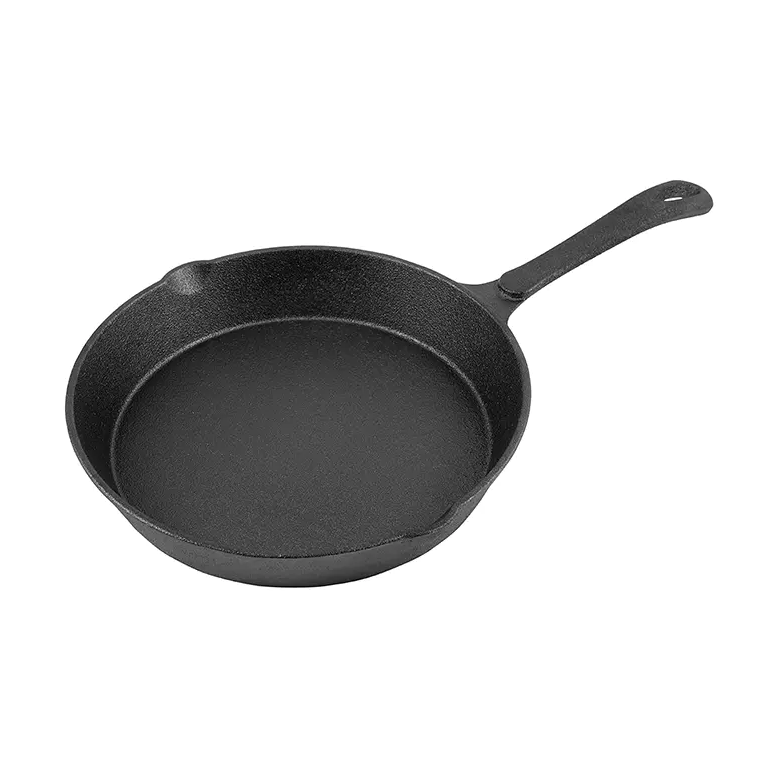
Understanding the Purpose of Seasoning
A cast-iron frying pan depends on a developed surface layer that forms through repeated heating and oil interaction. This layer helps reduce sticking and improves cooking behavior over time. Seasoning is not a single-step process but a gradual build-up that changes the surface characteristics of the pan.
The Cast Iron Dutch Oven may also involve surface care, depending on whether it is enamel-coated or bare cast iron. While enamel versions reduce the need for seasoning, bare versions follow similar maintenance principles to frying pans. In both cases, surface protection plays a key role in cooking performance.
Initial Preparation Before Use
When starting with a new Cast Iron Frying Pan, cleaning the surface before use is an important step. This removes any protective residue from manufacturing and prepares the surface for oil application. After cleaning, a thin layer of oil is applied evenly across the surface before heating.
Heat application helps bond the oil layer to the metal surface. This process may be repeated several times to build a more stable cooking layer. The Cast Iron Dutch Oven, when uncoated, follows similar preparation steps, although its deeper structure may require more attention to internal surfaces.
Building a Stable Cooking Surface
Seasoning is typically strengthened through repeated cooking. Each use of a Cast Iron Frying Pan contributes to surface development. Cooking with oils and fats helps reinforce the protective layer gradually. Over time, this layer improves resistance to sticking and supports smoother cooking.
The Cast Iron Dutch Oven also develops surface characteristics through use, particularly in recipes involving oil, fat, or slow heat exposure. While its cooking style is different, the same principle of gradual surface improvement applies to uncoated versions.
Cleaning Practices After Cooking
Proper cleaning is essential for maintaining both Cast Iron Frying Pan and Cast Iron Dutch Oven. After cooking, removing food residue while the cookware is still warm helps prevent buildup. Water can be used for cleaning, but prolonged soaking is generally avoided to reduce the risk of surface damage.
Mild scrubbing tools are often used to clean the surface without removing the seasoning layer. In enamel-coated Dutch ovens, cleaning is slightly more flexible, but care is still needed to protect the surface finish.
Drying the cookware immediately after washing is important to prevent moisture-related surface changes. Heat drying on a stove is sometimes used as an additional step.
Managing Rust and Surface Issues
A Cast Iron Frying Pan may develop surface rust if exposed to moisture for extended periods. When this happens, light scrubbing followed by re-seasoning can restore the surface condition. This process helps rebuild the protective layer and return the pan to usable condition.
The Cast Iron Dutch Oven can also experience similar issues if it is not enamel-coated. Rust management follows similar steps, focusing on surface cleaning and reconditioning through oil application and heat treatment.
Common Care Mistakes
One common issue in maintaining a Cast Iron Frying Pan is excessive soaking in water, which can weaken the protective layer. Another issue is using harsh cleaning tools that may strip the surface seasoning. Improper storage in humid environments can also affect surface stability.
For Cast Iron Dutch Oven use, especially uncoated versions, similar care mistakes can affect long-term performance. Even enamel-coated versions require caution to avoid surface chipping or damage from rough handling.
Daily Maintenance Routine
A simple maintenance routine often involves light cleaning after use, thorough drying, and occasional oil application. This routine helps maintain the cooking surface of a Cast Iron Frying Pan without requiring complex procedures. Over time, consistent care contributes to improved cooking behavior.
The Cast Iron Dutch Oven follows a similar maintenance rhythm, especially when used frequently for slow cooking or oven-based dishes. Regular care helps maintain its cooking stability across different recipes.
Long-Term Usage Behavior
With continued use, a Cast Iron Frying Pan gradually becomes more stable in cooking performance. The surface adapts to repeated heat and oil exposure, creating a more consistent cooking experience over time.
The Cast Iron Dutch Oven also evolves through usage, particularly when exposed to repeated heating cycles. Its performance becomes more predictable as the surface condition stabilizes.
Both cookware types demonstrate that maintenance is not only about preservation but also about gradual development of cooking capability through repeated use and care.