

 English
  русский
 Español
 Português
 عربى
عربى
In modern kitchen equipment discussions, cookware selection is often influenced by durability, cooking behavior, and maintenance habits. Cast Iron Frying Pan and Cast Iron Dutch Oven are frequently included in these comparisons because they represent long-standing cookware types that continue to be used in different cooking environments. Cast Iron Frying Pan is commonly compared with coated cookware surfaces, while Cast Iron Dutch Oven is often associated with slow cooking and oven-based preparation, forming a broader view of material differences in kitchen use.
Material Structure and Cooking Characteristics
A cast-iron frying pan is made from dense metal that holds heat for extended periods. This structure allows steady heat transfer during cooking, which can affect browning and surface texture. Coated cookware, on the other hand, focuses on smooth food release and easier cleanup. These differences in structure lead to distinct cooking experiences depending on the type of dish being prepared.
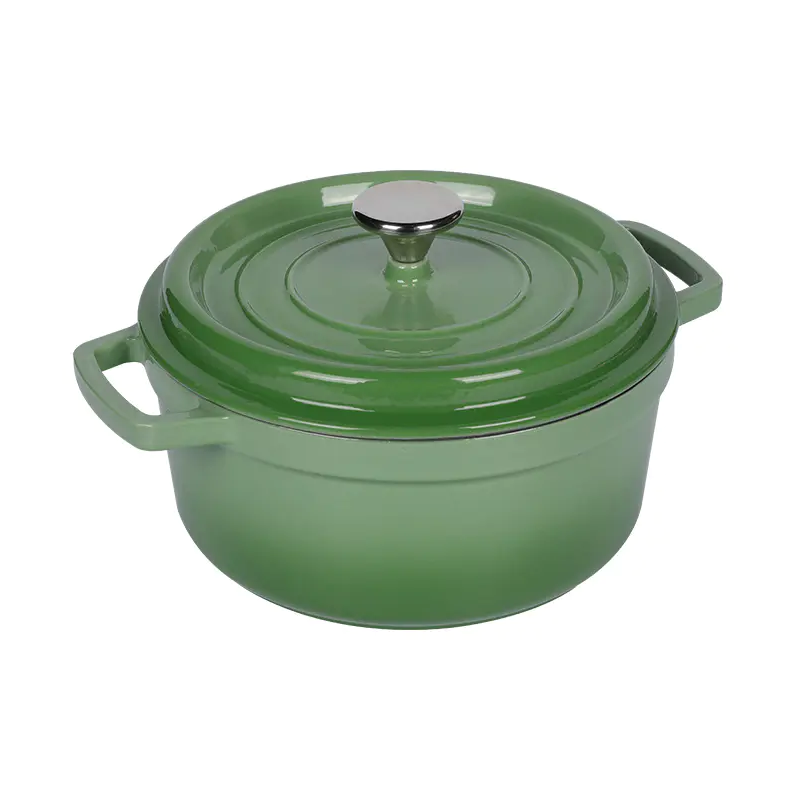
The Cast Iron Dutch Oven shares similar material properties but uses a deeper and enclosed design. This shape supports cooking methods involving liquids and slow heat movement. While both cookware types rely on heat retention, their structures influence how heat interacts with food in different ways.
Heat Performance and Cooking Style
With a Cast Iron Frying Pan, heat tends to remain stable once properly preheated. This makes it suitable for tasks such as searing, browning, and shallow frying. Temperature changes occur gradually, so cooking often depends on steady heat control rather than fast adjustments.
The Cast Iron Dutch Oven distributes heat in a more enclosed space. This supports cooking methods that require long heating periods and moisture retention. Compared with coated cookware, cast iron tools generally require more attention to temperature behavior but provide different results in texture and cooking depth.
Maintenance and Care Requirements
A Cast Iron Frying Pan requires regular care to maintain its cooking surface. This typically involves building and preserving a protective layer through use and proper cleaning habits. Exposure to moisture or improper storage can affect its surface condition.
The Cast Iron Dutch Oven, especially enamel-coated versions, reduces the need for traditional seasoning but still requires careful handling. Cleaning practices are important to protect the surface and maintain long-term usability.
Compared with coated cookware, both cast iron types involve more maintenance steps, but these steps are often considered part of their usage cycle rather than a disadvantage.
Cooking Applications and Flexibility
The Cast Iron Frying Pan is commonly used for quick cooking tasks such as browning meat, preparing vegetables, and oven finishing. Its ability to move between stovetop and oven adds flexibility in daily cooking.
The Cast Iron Dutch Oven is more suitable for slow cooking methods such as stews, braised dishes, and bread preparation. Its structure supports longer cooking times where gradual heat exposure is important.
Coated cookware often focuses on convenience and faster cleanup, while cast iron tools are used when cooking performance and heat stability are more important.
Heat Retention and Cooking Rhythm
Both Cast Iron Frying Pan and Cast Iron Dutch Oven rely heavily on heat retention. Once heated, they hold temperature longer than thinner cookware materials. This affects cooking rhythm, as adjustments in heat take time to reflect during preparation.
The frying pan is better suited for surface-level cooking, while the Dutch oven is designed for internal heat circulation. These differences allow each tool to serve specific roles in kitchen workflows.
Practical Considerations in Daily Use
When selecting cookware, factors such as weight, handling comfort, and cleaning routine often influence decisions. A Cast Iron Frying Pan is heavier than coated pans, which may affect daily use. The Cast Iron Dutch Oven adds additional weight due to its depth and lid structure.
Coated cookware is generally lighter and easier to clean, but may not offer the same level of heat stability or long-term durability. This leads many users to balance convenience with cooking performance.
Long-Term Usage and Kitchen Roles
Over time, a Cast Iron Frying Pan develops a surface that changes with repeated use. This gradual transformation affects how food interacts with the pan. The Cast Iron Dutch Oven also evolves in its usage pattern depending on cooking frequency and methods.
Coated cookware maintains a consistent surface until wear becomes noticeable, after which replacement is often considered.
In many kitchens, Cast Iron Frying Pan, Cast Iron Dutch Oven, and coated cookware are used together rather than as replacements for one another. Each type supports different cooking needs, from quick preparation to slow cooking processes, creating a balanced kitchen setup.