

 English
  русский
 Español
 Português
 عربى
عربى
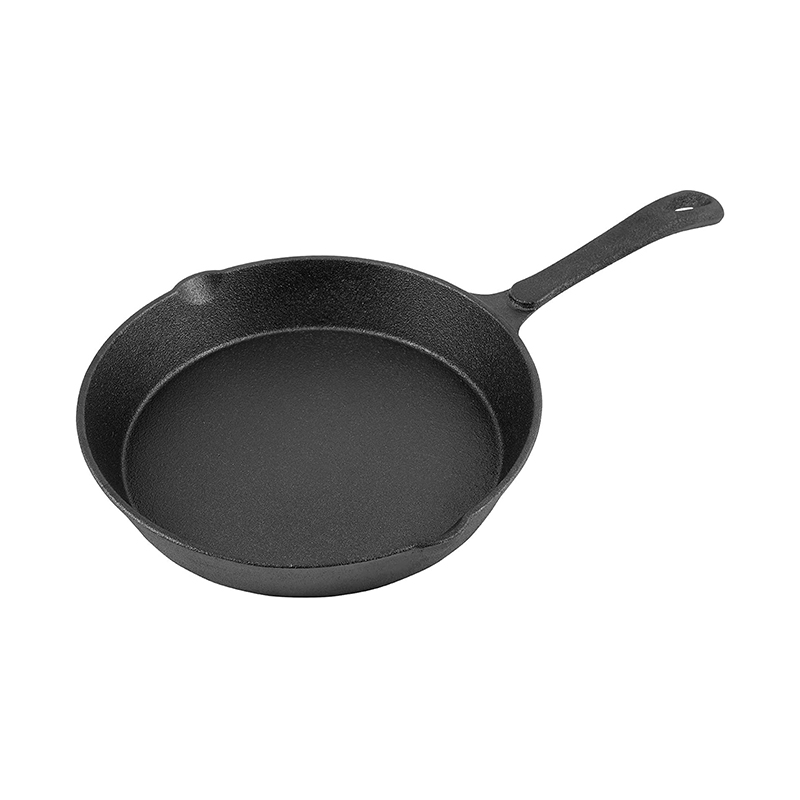
A cast-iron frying pan is a versatile tool in any kitchen, offering durability and consistent heat for various cooking tasks. Alongside it, the Cast Iron Griddle For Stove Top can provide an expansive cooking surface for breakfast foods, sandwiches, and multiple servings at once. Proper care and maintenance of both tools ensure they remain functional and long-lasting. Without correct attention, these cookware items may develop rust or lose their natural non-stick properties.
Understanding Seasoning
Seasoning is the process of creating a natural protective layer on the surface of the pan. This layer improves cooking performance and prevents food from sticking. To season a Cast Iron Frying Pan or a Cast Iron Griddle for a stove top, begin by cleaning the cookware thoroughly, removing any factory coatings or residues. Apply a thin layer of vegetable oil, flaxseed oil, or another cooking oil with a high smoke point to the entire surface.
Place the pan or griddle in an oven or on a stove until the oil begins to polymerize. Repeating this process a few times will build a consistent and durable seasoning layer. Regular seasoning also improves the flavor of the food cooked over time, making the cookware more enjoyable to use.
Daily Cleaning Practices
Daily cleaning of a Cast Iron Frying Pan and a cast-iron griddle for the stove top requires a gentle but effective approach. Avoid harsh detergents, which can strip away the seasoning layer. Instead, use hot water and a soft brush or sponge to remove food residues. For stubborn bits, coarse salt can be sprinkled onto the surface as a mild abrasive.
After cleaning, it is important to dry the cookware completely. Moisture left on the surface can lead to rust formation. Wiping the surface with a light layer of oil after each use can maintain the seasoning and protect the cookware. Storing in a dry location with ventilation prevents moisture accumulation.
Maintaining Cooking Performance
Consistent cooking performance relies on proper care and attention. Avoid overheating empty cookware, as extreme heat can damage the seasoning layer. For the Cast Iron Griddle for Stove Top, evenly distribute heat across the surface to ensure consistent cooking results.
Using utensils made of wood, silicone, or stainless steel with smooth edges can help preserve the seasoning. Avoid metal tools with sharp edges that can scratch or remove the protective coating. Regular inspection and maintenance contribute to a longer lifespan for both the frying pan and griddle.
Addressing Common Issues
Rust formation is one of the most common issues with cast-iron cookware. If rust appears, it can be removed by scrubbing the affected area with a mixture of coarse salt and oil or by gently sanding the surface. After rust removal, reseasoning is essential to restore the protective layer.
Another concern is food sticking to the surface. If this occurs, ensure the pan or griddle is fully seasoned, and consider using moderate heat during cooking. Preheating the cookware before adding ingredients can also improve non-stick performance.
Storing Cast Iron Cookware
Proper storage extends the life of cast-iron cookware. Stack pans with a layer of paper or cloth between them to prevent scratches. For the Cast Iron Griddle for Stove Top, ensure it is stored flat to avoid warping. Avoid placing lids or heavy objects on top, which can damage the surface.
Maintaining a routine of cleaning, seasoning, and careful storage ensures that the cookware remains functional for many years. Regularly using both a Cast Iron Frying Pan and a Cast Iron Griddle for the stove top can enhance cooking experiences and simplify meal preparation.
A cast-iron frying pan combined with a cast-iron griddle for the stove top offers unmatched versatility for home kitchens. Proper care, seasoning, daily cleaning, and mindful storage are key factors for longevity. By following these practices, home cooks can enjoy consistent cooking results, maintain natural non-stick surfaces, and protect their cookware from rust or damage. Regular use and attentive maintenance ensure these items remain reliable and efficient tools for a wide range of culinary tasks.