

 English
  русский
 Español
 Português
 عربى
عربى
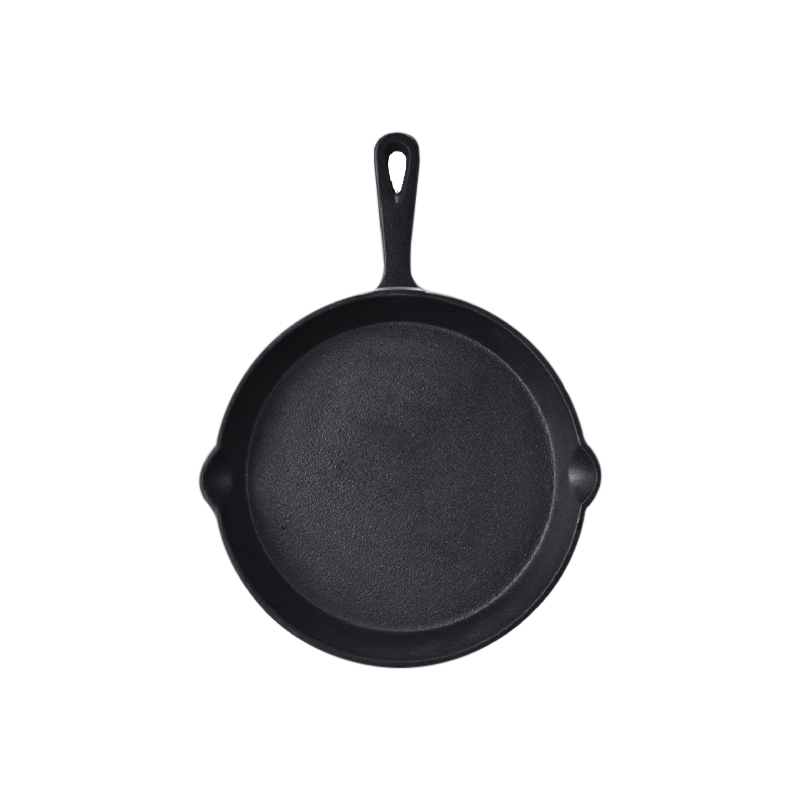
Cast Iron Frying Pan has long been a staple in home kitchens due to their durability, heat retention, and versatile cooking capabilities. Many home cooks also use a Cast Iron Griddle For Stove Top for larger meals or dishes that require even surface heat. While nonstick and carbon steel cookware are common alternatives, understanding the differences can help in choosing the right tool for specific cooking tasks.
Heat Distribution and Cooking Performance
One of the main advantages of a Cast Iron Frying Pan is its ability to retain and distribute heat evenly. This makes it ideal for searing meats, browning vegetables, and slow-cooking dishes. Similarly, a Cast Iron Griddle For Stove Top can provide a large, consistent cooking area, ensuring uniform results when preparing multiple portions simultaneously.
Nonstick cookware heats quickly but may not maintain temperature consistently, which can affect browning and searing. Carbon steel pans heat rapidly and respond to temperature changes well, but they require frequent seasoning and careful maintenance. Both alternatives have advantages, but cast iron stands out for its combination of heat stability and versatility.
Durability and Longevity
Durability is a critical factor in cookware performance. Cast Iron Frying Pan is known for lasting decades when properly maintained. The same durability applies to a Cast Iron Griddle For Stove Top, which can withstand high heat and heavy use without warping or deteriorating.
Nonstick cookware often has a coating that may degrade over time, and carbon steel requires careful maintenance to prevent rust and corrosion. In contrast, cast iron can improve with age, developing a natural nonstick surface with repeated seasoning and use. This makes it a practical long-term investment for a kitchen.
Maintenance and Seasoning Requirements
Proper maintenance is key to preserving the functionality of cast iron cookware. Regular seasoning of a Cast Iron Frying Pan builds a protective layer that enhances nonstick properties and prevents rust. The same care applies to a Cast Iron Griddle For Stove Top.
Cleaning should avoid harsh detergents. Instead, use warm water and gentle scrubbing. Applying a light coat of oil after drying keeps the seasoning intact. Nonstick and carbon steel pans require careful attention as well, but cast iron benefits from a seasoning process that improves over time, adding flavor to meals cooked in the pan or on the griddle.
Versatility in Cooking Methods
Cast Iron Frying Pan is suitable for stovetop, oven, and even grill cooking. Similarly, a Cast Iron Griddle For Stove Top can handle a range of cooking tasks, from pancakes and eggs to sandwiches and meats. This versatility makes cast iron a preferred choice for home cooks looking for reliable, multi-purpose cookware.
Nonstick pans excel in delicate foods like eggs or fish, but are less suitable for high-heat searing. Carbon steel offers similar performance to cast iron in some cases, but requires ongoing seasoning to maintain nonstick qualities. Considering these factors helps home cooks choose the right tool for each task.
Choosing between a cast-iron frying pan, nonstick, or carbon steel cookware depends on cooking habits and preferences. A Cast Iron Frying Pan paired with a Cast Iron Griddle For Stove Top offers a balance of durability, heat retention, and versatility. Proper care and seasoning enhance performance over time, creating reliable cookware that can handle a wide range of dishes. By understanding these differences, home cooks can make informed decisions for their kitchen tools.