

 English
  русский
 Español
 Português
 عربى
عربى
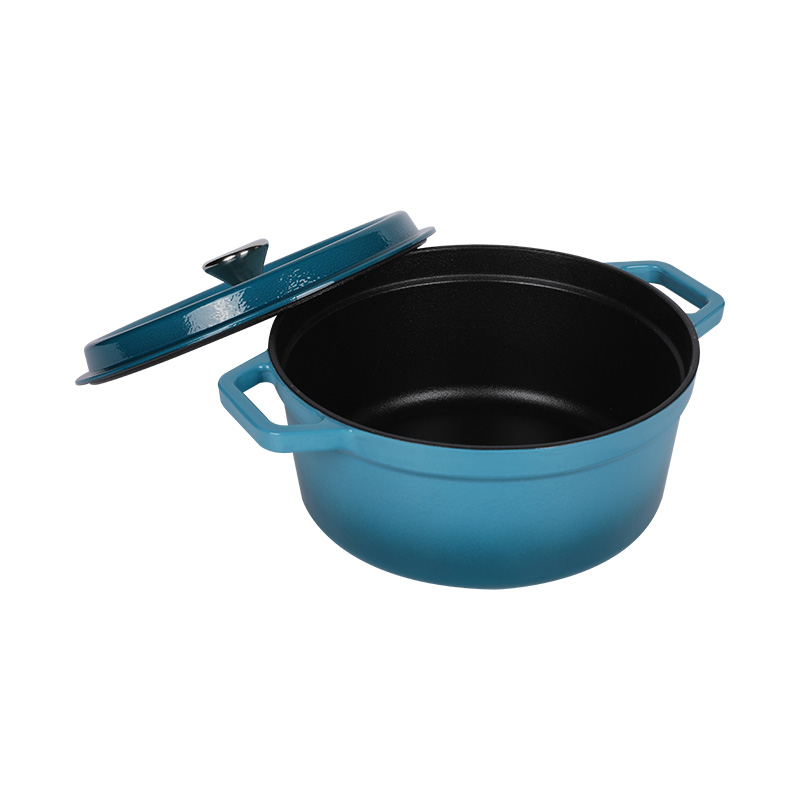
The Cast Iron Frying Pan With Lid continues to attract attention from home cooks who appreciate durable and adaptable cookware. As part of the broader Cast Iron Kitchenware category, proper seasoning and maintenance play a central role in ensuring long-term performance. Understanding how to care for cast iron allows users to maintain its cooking surface and preserve its functionality for everyday use.
Understanding the Purpose of Seasoning
Seasoning is the foundation of cast iron care. It refers to the process of applying a thin layer of oil to the surface of the pan and heating it until the oil bonds with the metal. This bonding creates a protective layer that shields the iron from moisture and supports smoother food release.
Unlike synthetic coatings, this surface develops naturally over time. With repeated cooking and proper maintenance, the layer gradually strengthens. Many cooks value this evolving surface because it reflects regular use and attentive care.
Both the pan and the underside of the lid can benefit from seasoning. Applying a light coat of oil to these areas helps prevent exposure to humidity and supports consistent protection throughout the cookware.
Basic Steps for Seasoning
Before seasoning, the pan should be clean and completely dry. Any residual moisture can interfere with the bonding process. Once dry, a small amount of cooking oil can be spread evenly across the interior and exterior surfaces using a cloth or paper towel.
The pan is then heated to allow the oil to polymerize and form a bonded layer. After cooling, excess oil should be wiped away. Repeating this process occasionally helps maintain the integrity of the cooking surface.
Over time, this routine creates a darker and smoother finish. A well-seasoned cast-iron frying pan with a lid often develops a subtle sheen that indicates the presence of a stable protective layer.
Everyday Cleaning Practices
Daily care does not require complicated procedures. After cooking, the pan can be rinsed with warm water while it is still slightly warm. A soft brush or non-abrasive cloth can remove food residue without damaging the seasoning.
Harsh cleaning agents are generally unnecessary. In many cases, warm water and gentle scrubbing are sufficient. If stubborn residue remains, a brief simmer of water inside the pan can loosen debris before cleaning.
Thorough drying is essential. Placing the pan over low heat for a short time ensures that moisture evaporates fully. Once dry, applying a thin coating of oil before storage helps preserve the surface.
Preventing and Addressing Rust
Rust forms when iron is exposed to moisture for extended periods. Preventing rust largely depends on consistent drying and light oil application. Storing cast-iron kitchenware in a dry and ventilated area further reduces exposure to humidity.
If light surface rust appears, it can often be removed through gentle scrubbing followed by re-seasoning. This restorative capability distinguishes cast iron from many other cookware materials. Rather than being discarded, it can often be refreshed with proper attention.
Long-Term Storage and Lid Care
When storing a cast-iron frying pan with a lid, allowing slight airflow between the pan and lid can help reduce trapped moisture. Some users place a small absorbent material between them to promote ventilation.
Avoiding damp environments is equally important. Cabinets near sinks or dishwashers may expose cookware to humidity, so choosing a dry location supports long-term preservation.
Periodic inspection of the seasoning layer can help identify when a refresher seasoning session is needed. If the surface appears dry or uneven, a light reapplication of oil followed by heating can restore its protective qualities.
Building Confidence Through Routine Care
For many new users, cast iron maintenance may seem unfamiliar. However, the steps involved quickly become routine. With regular cooking, cleaning, drying, and light oiling, the pan develops a resilient surface suited to daily use.
Cast Iron Kitchenware rewards this consistent care with steady cooking performance. The gradual development of the seasoning layer enhances food release and protects against moisture-related damage.
Learning how to season and maintain a cast-iron frying pan with a lid ensures that it remains reliable in everyday cooking. As a valued part of Cast Iron Kitchenware, it benefits from simple but consistent care practices. Through thoughtful maintenance, users can preserve its structure, support its cooking surface, and integrate it confidently into their kitchen routines for years to come.