

 English
  русский
 Español
 Português
 عربى
عربى
A kitchen tool that can last for decades requires a simple but important routine. For owners of a cast-iron skillet grill pan, that routine is seasoning. Many home cooks find their pans sticky, rusty, or difficult to cook with simply because the seasoning layer has not been built or maintained correctly. Understanding the process turns a rough-looking pan into a reliable cooking surface.
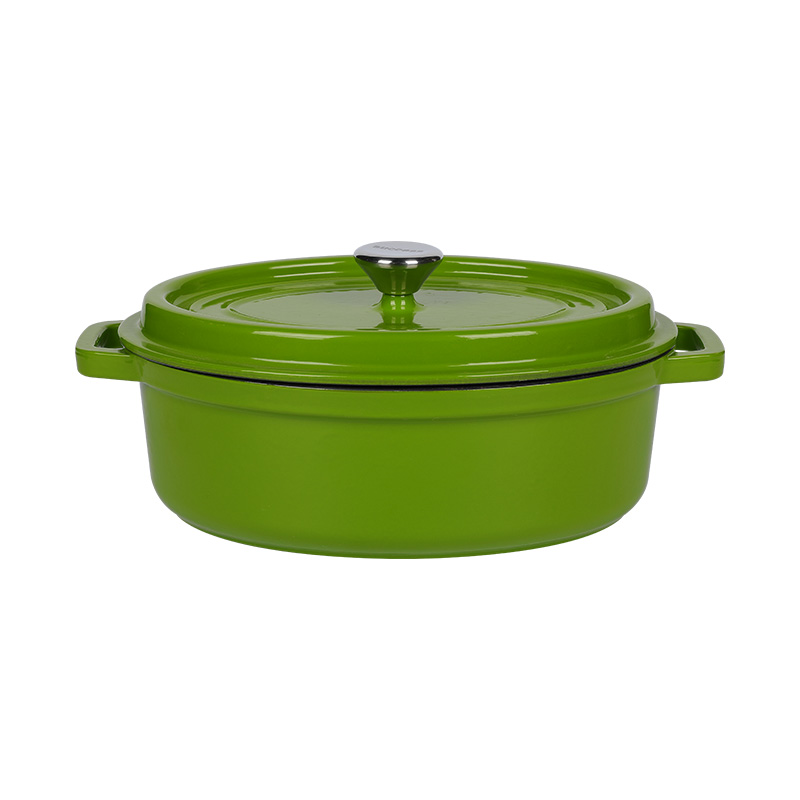
Why Seasoning Matters
Seasoning is not about adding salt and pepper. It refers to the layer of polymerized oil that bonds to the iron surface. This layer serves two purposes. First, it protects the metal from moisture and oxygen, which cause rust. Second, it creates a smoother cooking surface that releases food more easily. Without seasoning, a cast-iron pan is just raw iron that rusts quickly and sticks to almost everything. With proper seasoning, the same pan becomes a daily workhorse.
The Science Behind the Layer
When oil is heated past its smoke point in a thin layer on iron, the fatty acids break down and reorganize into a hard, plastic-like coating. This coating is not water-soluble and does not wash away with mild soap. It fills the microscopic pores of the cast iron surface. Over time, multiple layers build up and create a dark, smooth finish. This is why old, well-used cast-iron pans can look glossy and perform nearly as well as non-stick cookware. The process is slow and requires patience, but it does not require special skills.
What You Need
To season a pan at home, gather a few household items. Any high-smoke-point cooking oil works. Examples include vegetable oil, canola oil, grapeseed oil, or flaxseed oil. Avoid butter or low-smoke-point fats because they burn and become sticky. You will also need paper towels or a clean cotton cloth, a baking sheet or aluminum foil to catch drips, and an oven. That is all. No special chemicals or tools are necessary.
Step‑by‑Step Seasoning Process
Clean the pan first. If the pan is new, wash it with warm water and a small amount of mild dish soap. Use a sponge or a stiff brush to remove any factory residue. Dry the pan completely with a towel.
Apply a very thin layer of oil. Pour a few drops of oil onto the pan. Spread it over the entire surface, including the bottom and the handle. Then take a dry paper towel and wipe off as much oil as you can. The surface should look barely shiny, not wet. Excess oil creates sticky spots during baking.
Heat the pan upside down in the oven. Preheat the oven to a moderate temperature—around 375°F to 400°F (190°C to 205°C). Place a baking sheet on the lower rack to catch any drips. Put the pan upside down on the middle rack. Bake for one hour. Then turn off the oven and let the pan cool inside.
Repeat two or three times. A single layer works, but multiple layers produce a more durable finish. For a new pan, two or three seasoning rounds are helpful. Between rounds, let the pan cool enough to handle, then apply another thin coat of oil and bake again.
Maintaining the Season Over Time
After each cooking session, clean the pan without stripping the seasoning. Avoid aggressive scrubbing with steel wool. Instead, use a brush or a scraper to remove stuck food. If needed, rinse with hot water and rub with a small amount of soap. Dry the pan on a low stove flame for a minute. While the pan is still warm, apply a drop of oil and wipe it over the cooking surface. This quick post-clean step keeps the seasoning healthy.
When to Re‑Season
Even with good care, the seasoning may show signs of wear. Patchy appearance, dull gray spots, or light rust mean it is time to add a new layer. You do not need to strip the pan completely. Just wash, dry, apply a thin oil coat, and bake for one hour. For severe rust or sticky residue, a deeper cleaning with a mild abrasive may be needed, followed by a full re‑seasoning.
A well‑seasoned Cast Iron Skillet Grill Pan releases food easily, resists rust, and improves with age. The process takes a few hours of oven time but very little active work. Once the habit of seasoning becomes routine, the pan becomes a reliable companion for many years.