

 English
  русский
 Español
 Português
 عربى
عربى
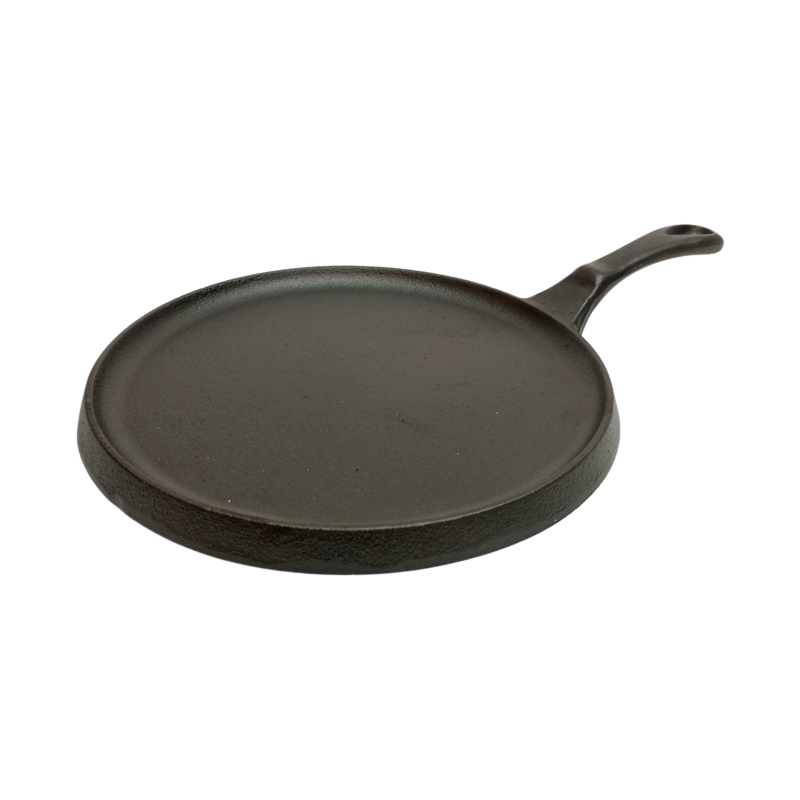
The long-term performance of a Cast Iron Griddle For Stove Top depends significantly on its initial treatment and ongoing care. Proper maintenance methods help establish and protect the natural protective layer on its surface, a layer that influences not only cooking results but also the tool's durability. Unlike many modern kitchen tools, a cast-iron griddle requires continuous attention and specific care routines, but this effort is rewarded with years of reliable service.
Establishing the Initial Protective Layer
A new cast-iron griddle typically requires initial treatment to establish a foundational protective layer. This process involves evenly applying a very thin layer of edible oil over the surface, then heating it to transform it into a stable coating. Oils with a higher smoke point often work well, as they remain more stable under high heat.
During this process, evenness and moderation are key. The oil layer should be so thin that it is almost invisible; an overly thick coating might feel tacky or flake off during heating. The heating process requires sufficient time for the oil to fully polymerize, usually indicated by the surface developing an even, dark sheen and a non-sticky feel. This process may be repeated several times to achieve the desired outcome.
Daily Cleaning Methods
Cleaning after each use is important for maintaining the griddle's condition. Cleaning while the griddle is still slightly warm is recommended, as food residue is easier to remove then. Warm water with a soft brush or sponge is often sufficient, and mild dish soap can also be used sparingly, provided it is thoroughly rinsed off afterward.
Avoid using stiff brushes or abrasive cleaners, as these can damage the established protective layer. For stubborn residue, soaking in warm water or gently scrubbing with coarse salt can be effective. Immediate and thorough drying after cleaning is very important, as moisture is a primary threat to cast iron.
Drying and Short-Term Storage
Complete drying is necessary to prevent oxidation. After washing, wipe the griddle thoroughly with a dry cloth, then place it in a warm spot or over a stovetop burner on low heat to ensure all moisture evaporates. This step should not be skipped, even if the surface appears dry.
Before short-term storage, a microscopically thin layer of oil can be applied to the completely dry surface. This helps maintain the protective layer during storage, especially in humid environments. The storage location should be dry and have adequate air circulation.
Addressing Common Issues
Even with careful maintenance, a cast-iron griddle may encounter some issues. When food begins to stick slightly, it often indicates the protective layer needs reinforcement. A simple re-seasoning process of oil application and heating can improve the condition. If rust spots appear, they need to be removed using gentle methods, and the protective layer must be re-established in that area.
Localized flaking of the seasoning is not uncommon, especially in areas frequently exposed to acidic foods or improper cleaning. These spots can be treated locally by cleaning, drying, applying oil, and heating. Regular inspection of the surface condition helps identify and address small issues promptly, preventing them from worsening.
Considerations During Cooking
When cooking with a cast-iron griddle, proper preheating helps protect the surface. Starting with low heat and gradually increasing it is safer than using high heat immediately. Using wooden or silicone utensils can minimize scratching on the surface, extending the integrity of the protective layer.
After cooking, allow the griddle to cool naturally to a safe handling temperature before cleaning. Sudden temperature changes can stress the cast iron structure; gradual heating and cooling are beneficial for the tool's long-term health. Cooking fatty foods actually aids in maintaining the surface, while cooking acidic or high-moisture foods requires more meticulous cleaning and care afterward.
A Long-Term Maintenance Perspective
Viewing the care of a cast-iron griddle as an ongoing process rather than a one-time task yields better long-term results. With extended use, the protective layer gradually becomes more complete and stable, and the cooking experience improves accordingly. This process of gradual enhancement is characteristic of cast-iron cookware.
Establishing simple maintenance habits is more effective than occasional intensive treatments. Spending a little time after each use on proper cleaning and drying is easier and produces better outcomes than accumulating multiple uses before addressing care. As one becomes more familiar with the tool's characteristics, the maintenance process becomes more natural and efficient.