

 English
  русский
 Español
 Português
 عربى
عربى
Many households now use induction appliances because of their clean surfaces and responsive heating control. Cast iron cookware also remains popular for frying, searing, and slow cooking. Even though cast iron is usually compatible with induction technology, some users still experience heating problems during daily cooking. When a Cast Iron Pan On Induction Cooktop suddenly stops heating or fails to work properly, several possible causes may be involved.
Understanding these issues can help users restore stable cooking performance and avoid unnecessary cookware replacement.
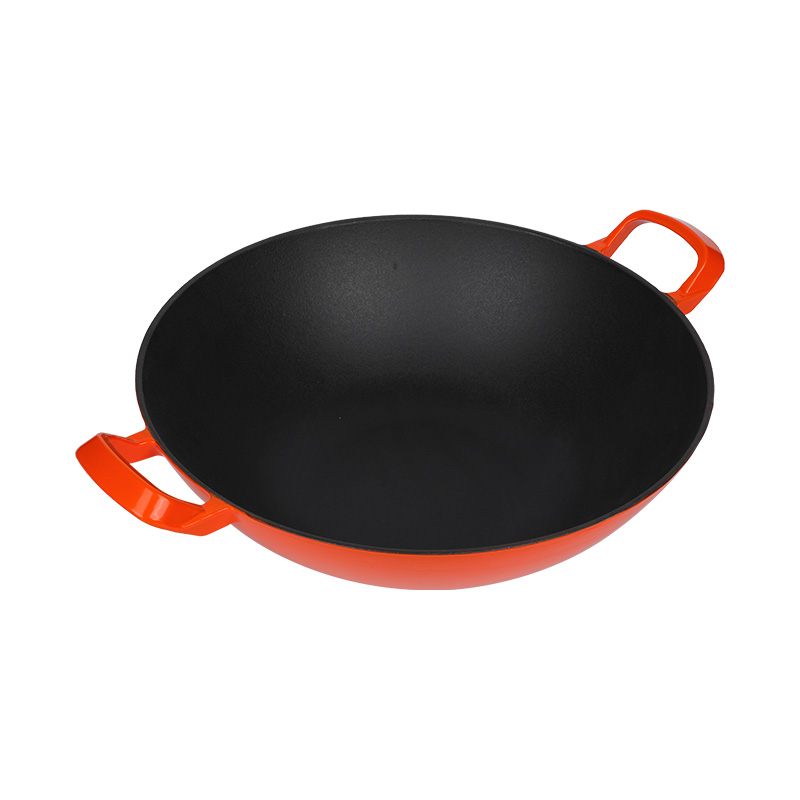
How Induction Heating Works
Induction cooktops do not generate heat through flames or exposed electric coils. Instead, they create electromagnetic energy beneath the glass surface. When magnetic cookware is placed on the burner, heat develops directly inside the cookware base.
Because cast iron contains magnetic material, it normally works well on induction cooktops. However, successful heating depends on proper contact between the cookware and the cooking surface.
If the cooktop cannot detect the cookware correctly, heating may stop or fail to start.
Common Reasons a Cast Iron Pan Won't Heat
Several everyday issues may interfere with induction heating performance.
Uneven or Warped Pan Bottom
One of the most common causes is a warped cookware base. Induction cooktops require close contact with the glass surface to transfer energy efficiently.
If the pan bottom becomes uneven after repeated overheating or sudden cooling, the burner may not detect the cookware consistently.
Warped cookware can also create uneven heating patterns during cooking.
Cookware Size Does Not Match the Burner
Some induction cooktops require cookware to cover enough of the cooking zone before activation begins.
If the cast-iron pan is too small compared to the burner area, the cooktop may not recognize it properly. This issue is common with compact skillets or specialty pans.
Matching the cookware size with the induction zone often improves detection.
Dirt or Residue on the Cooktop
Oil residue, burnt food particles, or moisture trapped beneath the cookware may interfere with surface contact.
Although small amounts of residue may seem harmless, they can sometimes reduce heating consistency or cause the cooktop to stop working temporarily.
Keeping both the cookware base and the glass surface clean helps support smoother operation.
Overheating Protection Features
Many induction appliances contain built-in safety systems. If the temperature becomes too high, the cooktop may automatically reduce power or shut down temporarily.
Cast iron retains heat for long periods, so extremely high heat settings are often unnecessary for regular cooking.
Allowing the cookware to cool slightly before restarting may help restore normal heating.
How to Fix Heating Problems
Several practical steps can help improve induction performance with cast iron cookware.
Inspect the Bottom of the Pan
Place the cookware on a flat surface to check whether it rocks noticeably. Severe unevenness may prevent proper contact with the induction burner.
If the cookware is heavily warped, replacement may eventually become necessary.
Clean the Cooktop Surface
Wipe away grease, food residue, or moisture before cooking. A clean surface supports better cookware detection and more stable heating.
Use the Correct Burner Size
Choose a cooking zone that closely matches the size of the cookware base. Proper alignment helps improve heat transfer and burner recognition.
Preheat Slowly
Rapid heating can place stress on cast iron cookware and increase the risk of uneven expansion. Gradual preheating often creates more stable cooking conditions.
Medium heat settings are usually sufficient because cast iron stores heat efficiently.
How to Prevent Future Heating Issues
Daily cooking habits can influence long-term cookware performance.
Avoid Sudden Temperature Changes
Placing a hot pan directly into cold water may contribute to warping over time. Allow the cookware to cool naturally before cleaning.
Lift Instead of Dragging
Sliding heavy cookware across the glass surface may create scratches and increase surface wear.
Store Cookware Carefully
Stacking heavy cookware carelessly may damage the pan base or affect its shape.
Check Cookware Regularly
Inspect the bottom surface occasionally for rough spots, dents, or uneven areas that may interfere with induction cooking.
Improving Everyday Cooking Performance
Using a Cast Iron Pan On Induction Cooktop can provide steady cooking results when the cookware remains in good condition and matches the induction surface correctly.
Flat cookware, gradual heating, proper burner selection, and regular cleaning all contribute to smoother daily cooking experiences. By understanding the common causes of heating problems, users can reduce interruptions and maintain more reliable induction cooking performance over time.